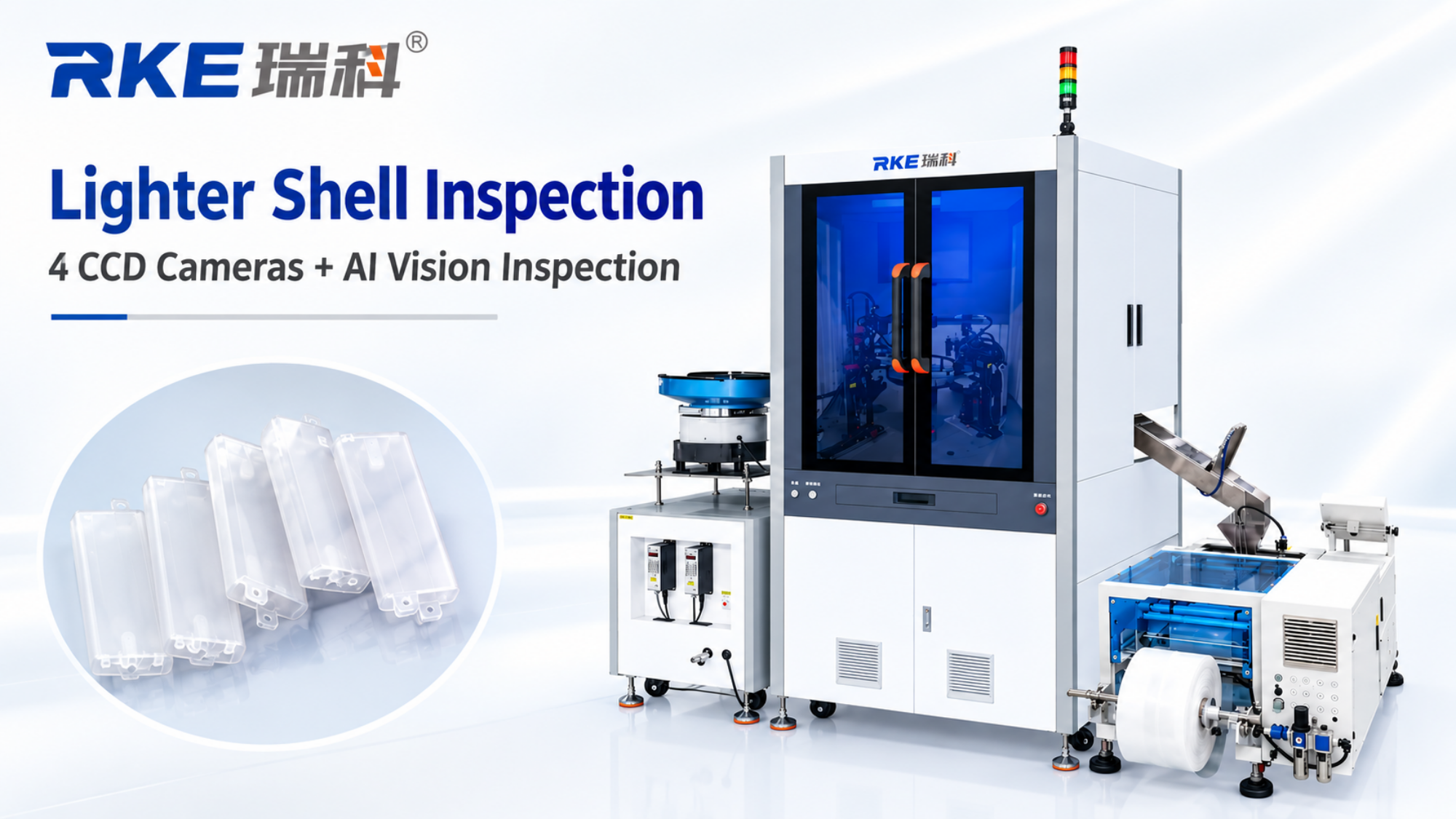
A lighter shell may look like a simple molded component, but small surface abnormalities can be difficult to identify consistently when production moves quickly. In a recent RKE application, machine vision is used to inspect lighter shells automatically, combining vibration feeding, four CCD industrial cameras and AI-based visual analysis in one inspection process.
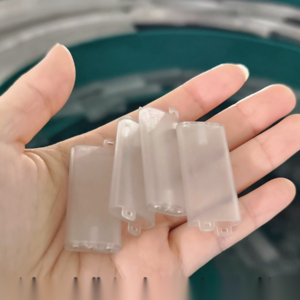
The application focuses on the appearance quality of translucent lighter shells. Instead of relying only on manual visual checks, the system presents each part to a controlled inspection environment where cameras can capture repeatable images and compare them against predefined quality criteria.
From Bulk Parts to a Controlled Inspection Position
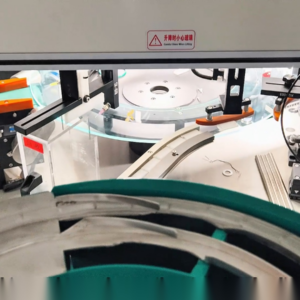
The inspection cycle starts with vibration disk feeding. The feeder separates the lighter shells and guides them toward the inspection area. This first step matters because machine vision performs more consistently when products arrive in a stable and repeatable position.
The mechanical layout then moves the parts through the camera stations. The system is designed around the customer’s product and inspection requirements rather than using a one-size-fits-all inspection setup.
Four CCD Cameras Look at More Than One Surface
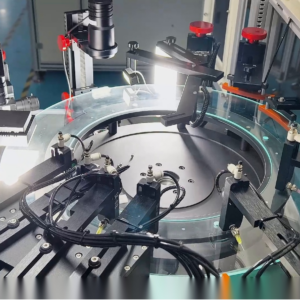
Four CCD industrial cameras are used in the demonstrated application. Multiple views give the system more visual information than a single camera can provide. This is particularly useful for molded shells, where a defect may appear differently depending on the viewing angle, lighting direction or surface position.
The cameras work with controlled illumination to capture the areas defined in the inspection program. The result is a more repeatable image source for the software to analyze.
What the AI Vision System Looks For
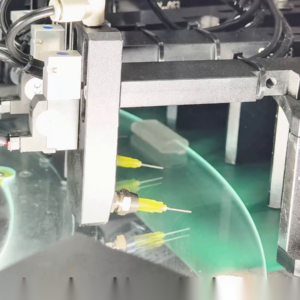
The software analyzes images collected from the inspection stations and checks the product against configured criteria. In this application, the demonstrated inspection focuses on appearance quality, including visible abnormalities such as black spots and cracking.
The inspection interface also displays multiple views of the same product, allowing operators to review the inspection logic and results. Inspection points can be adjusted according to the customer’s product specifications and defect definitions.
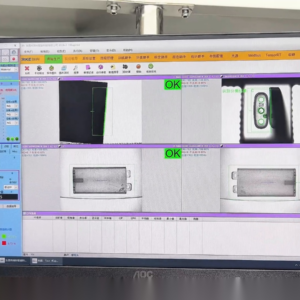
This multi-view approach is useful when the quality standard depends on more than one visible feature. Instead of asking an operator to remember every inspection point, the machine applies the configured criteria repeatedly during production.
Speed and Accuracy in the Demonstrated Application
The video demonstrates an inspection speed of up to 100 pcs/min. It also shows a detection accuracy of ±0.02 mm for the demonstrated application. These figures should be understood as application results, not universal machine specifications. Actual performance depends on the product, defect definition, optical setup, lighting, feeding stability and inspection requirements.
For manufacturers, the value of this type of system is not simply speed. The larger goal is to create a repeatable inspection process that can operate continuously while reducing the amount of repetitive manual visual checking required on the production line.
Why This Application Matters for Molded Plastic Components
Lighter shells are one example of a wider inspection challenge in molded plastic production. Parts can have small cosmetic defects that are easy to overlook during fast manual inspection. Lighting, product color, transparency and surface texture can also affect how clearly a defect appears to the human eye.
A machine vision inspection system gives manufacturers a way to standardize these visual checks. By combining controlled imaging with software-based analysis, the inspection process can be built around the actual defect types and acceptance standards of the product.
A Practical AI Vision Inspection Approach
This RKE case shows a straightforward path from feeding to image acquisition and automated analysis. The system does not depend on a generic checklist. Its camera arrangement, lighting and inspection criteria are configured around the lighter shell being produced.
For manufacturers of lighter shells, plastic housings and other molded components, a customized Lighter Shell Inspection Machine can be developed around appearance requirements, dimensional checks and specific defect standards.
About RKE Intelligent Technology
DongGuan RKE Intelligent Technology develops machine vision inspection, AI visual inspection and automated quality-control solutions for industrial components. Its systems are customized according to product geometry, inspection requirements and production processes.