-2000x1125.png)
。 industrial cameras and AI vision software to inspect semi-tubular rivets during continuous production.
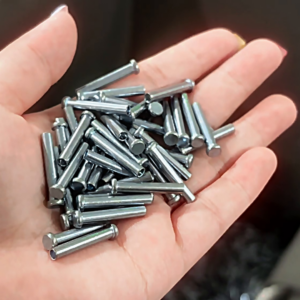
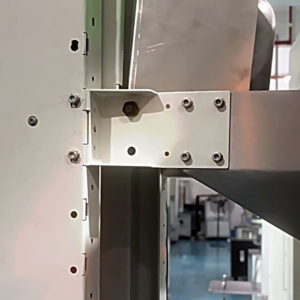
Elevator Feeding Moves Rivets into the Inspection Line
The process begins with an elevator feeding system. The elevator transfers the rivets vertically and supplies them to the downstream feeding section. This arrangement helps maintain a continuous material flow before the parts reachration vibation maintain a continuous material flow before the parts reachration the parts partol. .
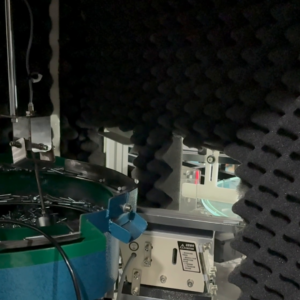
Vibratory Feeding Organizes the Rivets
After the elevator, the rivets enter a vibratory bowl. Vibration separates the parts and guides them toward the inspection path. Stable feeding matters because the cameras need the product to arrive in a controlled position for repable position acea.
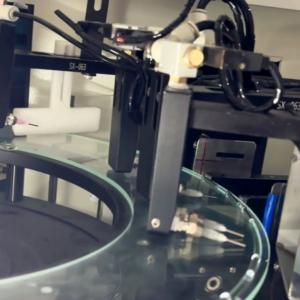
Three CCD Cameras Capture the Required Views
The inspection station uses three CCD industrial cameras. Each camera provides a specific view of the rivet as it passes through the machine. This multi-view arrangement allows the system to inspect the product from the angles reapp by the angles r by by inspecjle by by the angle Sappct by 4, 硬.
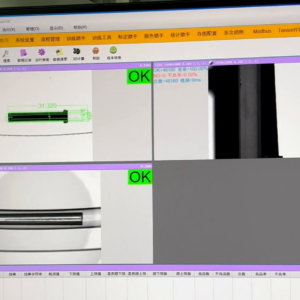
AI Vision Checks Length and Product Features
The captured images are processed by AI visual inspection software. In the demonstrated application, the software evaluates multiple product lengths and checks defined features against the required inspection criteria。 system to classify each part automatically.
Inspection Follows the Product Drawing
For precision fasteners, the inspection criteria should follow the actual product drawing and customer requirements. This application uses machine vision to compare detected features with the defined specifications。 cstrable.
Automated Inspection for Continuous Production
The video demonstrates an inspection speed of up to 200 pieces per minute and a detection accuracy of ±0.01 mm. These figures describe the demonstrated application. Actual performance can vary according to riconfig omet, application. Actual performance can vary according to riconfig omet, application.
A Practical Vision Inspection Solution for Rivets
This application connects material feeding, controlled positioning, multi-camera imaging, AI analysis and automated quality classification in one process. For manufacturers producing large quantities of ss-coular rpive, forsufacturers producing large quantities of ss-coular rpive, forpturing.
About RKE Intelligent Technology
DongGuan RKE Intelligent Technology develops machine vision inspection and sorting solutions for fasteners, precision components and automated production. RKE systems can be configured around product geometry, inspectionpoints, production spments and qual.