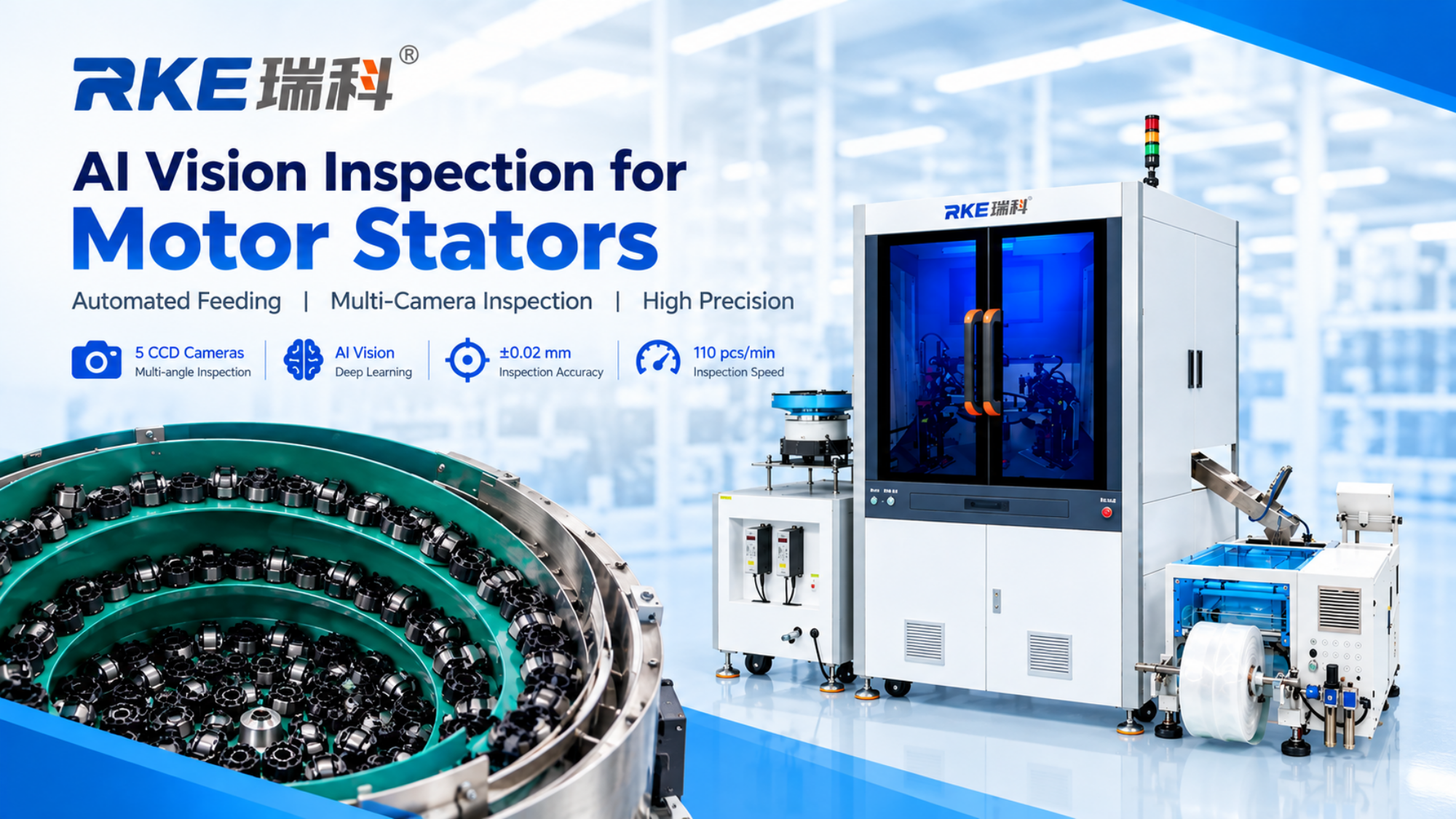
Motor stators require consistent inspection because small appearance or assembly defects can affect downstream motor production. Manual checks may also become difficult to maintain when parts move continuously through a production line. This RKE application demonstrates how automated feeding, multi-camera imaging and AI vision can work together to inspect motor stators and classify results.
Automated Feeding Keeps Parts Moving
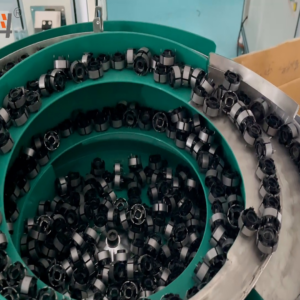
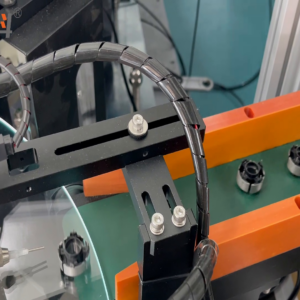
The process begins with a vibratory feeding system that organizes stators and guides them toward the inspection station. The feeder helps present parts in a repeatable way, so the cameras can capture the required views as products move through the line.
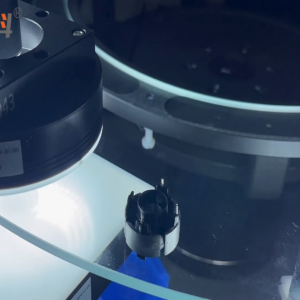
Five CCD Cameras Capture Multiple Views
The video shows five sets of CCD industrial cameras working around the inspection station. Multiple views allow the system to examine different visible areas of each stator rather than relying on a single image. Camera placement and lighting support the inspection criteria defined for this application.
AI Vision Checks Appearance and Defined Defects
RKE’s AI deep-learning inspection software analyzes images collected by the cameras. In this application, the inspection focuses on surface defects, missing pins and other cosmetic flaws. The specific criteria can be configured according to the customer’s product drawing, defect samples and acceptance standards..
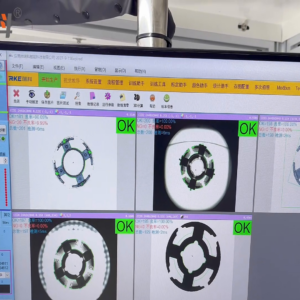
Software Displays OK and NG Results
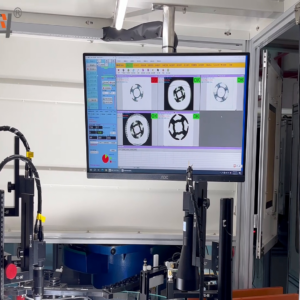
The software interface presents images from multiple camera views alongside OK and NG classifications. This helps operators review inspection outcomes while the machine continues processing parts. The interface also provides production information that can support routine monitoring.
Automated Discharge Supports Continuous Sorting
After inspection, the system transfers products to the discharge conveyor. Combining feeding, image acquisition, software analysis and sorting creates a connected workflow and reduces the need for repeated manual checks.
Demonstrated Application Performance
The video displays a demonstrated inspection speed of approximately 110 pcs/min and detection accuracy of ±0.02 mm. These values describe the application shown in the video, not a universal specification for every configuration. Actual performance depends on stator geometry, defect definitions, camera and lighting setup, feeding stability and customer requirements.
A Configurable Approach to Stator Inspection
A motor stator inspection system should reflect the actual part design and production target. Camera views, lighting, feeding and software criteria may need adjustment for different stator types. Sample testing can help establish which defects are detectable and what configuration best fits the application.
About RKE Intelligent Technology
DongGuan RKE Intelligent Technology develops machine vision inspection and sorting solutions for precision components and automated production. Its systems can combine industrial cameras, AI vision software, dimensional or appearance inspection, automated feeding and product sorting according to application requirements.