Corrugated Tube Plug Visual Sorting Inspection for Automated Quality Control
Corrugated tube plugs are used in assemblies where a component’s dimensions and visible condition can affect fit, protection, and overall product quality. Depending on the design, manufacturers may need to check plug height, surface appearance, and small visual defects before parts move to the next production stage.
Manual inspection can become difficult to keep consistent when operators handle large batches of similar small components. Repeated visual checks may also lead to fatigue, variable judgment, and missed appearance defects. RKE’s corrugated tube plug visual sorting inspection solution uses multi-camera imaging and AI-based analysis to make the inspection process more repeatable.
Common Defects and Inspection Criteria for Corrugated Tube Plugs
The inspection criteria for corrugated tube plugs should be defined according to the customer’s drawings, tolerance requirements, approved samples, and quality standards. In the demonstrated application, the video shows checks related to component height and visible surface conditions.
Visible appearance checks include black spots and other cosmetic flaws. Additional criteria—such as dimensional limits, surface marks, contamination, or shape deviations—should only be enabled when they are required by the customer and can be reliably presented to the camera system.
How the Corrugated Tube Plug Visual Sorting System Works
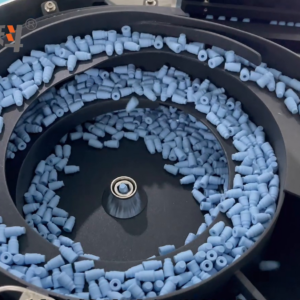
The demonstrated machine uses a vibratory bowl to feed corrugated tube plugs into the inspection process. Parts are transferred to the inspection area, where the camera system captures images under controlled lighting.
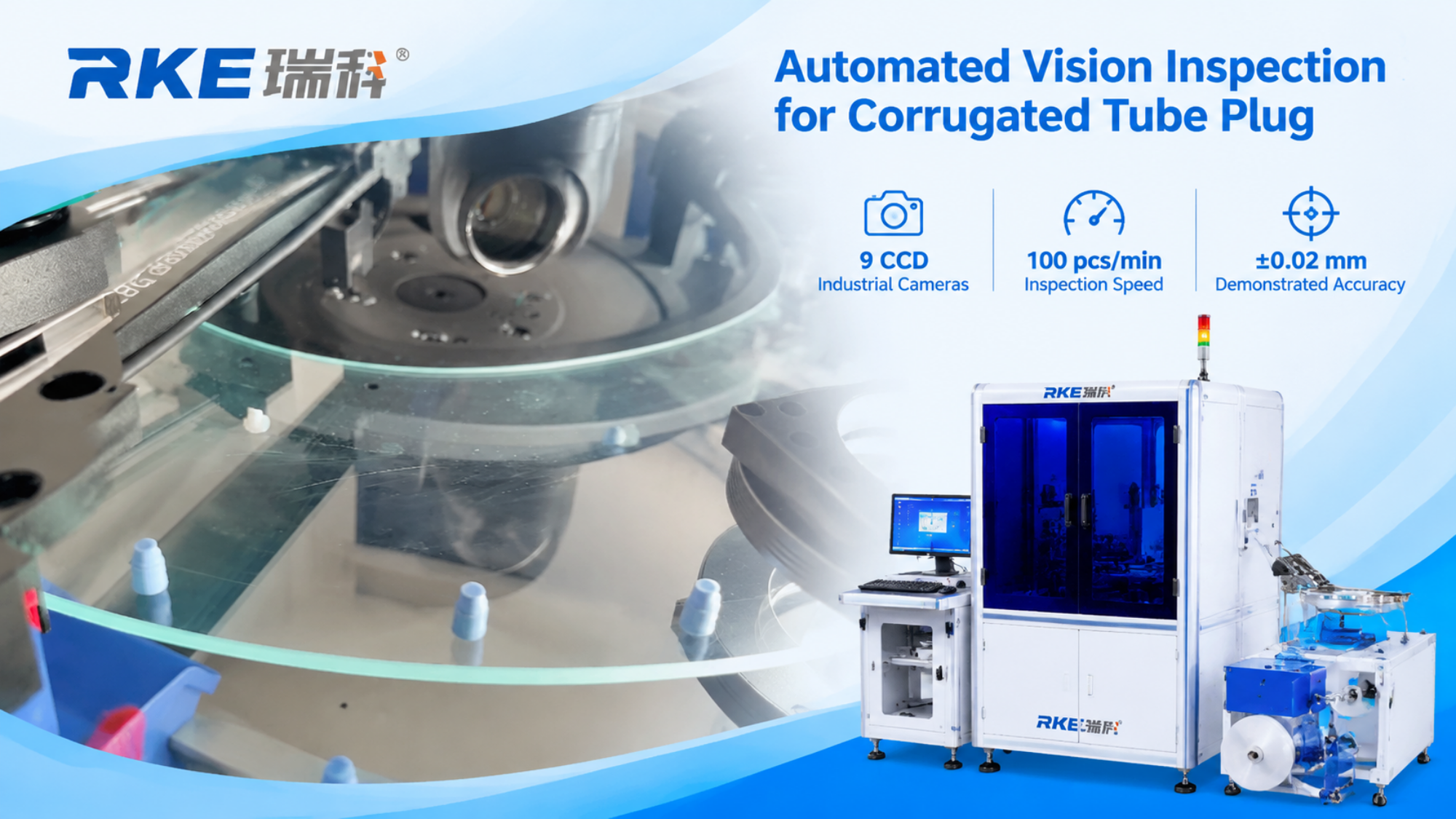
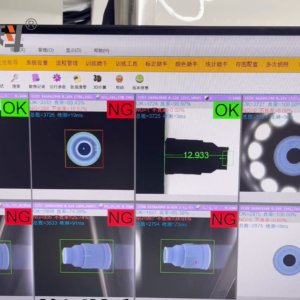
The system is equipped with 9 sets of CCD industrial cameras and RKE self-developed AI deep learning inspection software. Images from different viewing positions are analyzed against the configured inspection criteria. The video demonstrates the inspection interface displaying OK and NG judgments.
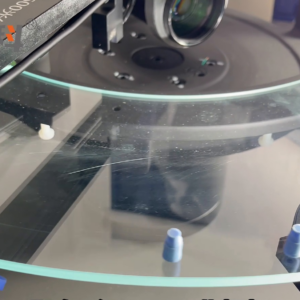
After image analysis, the software classifies inspected parts according to the configured criteria. The video confirms OK/NG judgment display, but does not clearly show the specific physical rejection mechanism or a complete data-export workflow. Automatic air-blow rejection, part counting, and data retention should therefore be confirmed during project evaluation rather than assumed as standard features.
Key Advantages of the RKE Inspection Solution
1. More Consistent Multi-View Inspection
The 9-camera configuration provides multiple image views of the component. Combined with AI deep learning software, it supports repeatable inspection of configured height and appearance criteria, helping reduce dependence on subjective manual judgment.
2. Improved Inspection Efficiency
Automatic vibratory feeding and camera-based inspection reduce the need for operators to examine every part individually. This can help manufacturers organize repetitive inspection work more efficiently; the actual throughput should be validated using production samples because the video does not specify a rated parts-per-minute speed.
3. Inspection Criteria Can Be Customized
Camera positions, lighting, software parameters, and inspection criteria can be evaluated against the customer’s component drawings and samples. The final configuration depends on part geometry, material, surface finish, tolerance requirements, and the defects that must be detected.
4. Clearer Inspection Results
The demonstrated software interface displays OK and NG inspection judgments, giving operators a visual reference for the inspection result. If customers require batch counting, report export, image archiving, or MES integration, these functions should be specified and confirmed as part of the project scope.
Industries and Applications
Corrugated tube plugs may be used in assemblies involving corrugated tubing, cable protection, industrial equipment, electrical enclosures, and related mechanical or automotive components. The suitability of automated vision inspection depends on the actual part design and the customer’s quality requirements.
For manufacturers producing similar small molded or formed components, the same inspection-planning approach can be assessed for dimensional and visible surface checks. RKE can review sample parts to determine whether the required features can be imaged reliably.
Frequently Asked Questions
What does the corrugated tube plug visual sorting machine inspect?
The demonstrated application checks component height and visible surface conditions, including black spots and other cosmetic flaws. Final inspection items are configured according to customer requirements.
How many cameras are used in this inspection system?
The video identifies 9 sets of CCD industrial cameras. Camera positions and coverage are arranged for the specific component and inspection criteria.
What is the inspection accuracy?
The demonstrated system states an inspection accuracy of ±0.02 mm. Actual measurement capability should be verified with customer samples, drawings, and agreed test conditions.
What feeding method is shown in the video?
The video shows a vibratory bowl feeder supplying the corrugated tube plugs to the inspection process.
Can the machine automatically reject defective parts and save inspection data?
The video shows OK/NG judgments on the software interface, but does not clearly confirm the physical rejection mechanism or data-storage/export functions. These requirements can be discussed and specified during solution design.
A Corrugated Tube Plug Inspection Solution Based on Your Quality Requirements
RKE’s corrugated tube plug visual sorting inspection application combines vibratory bowl feeding, 9 CCD industrial cameras, and self-developed AI deep learning inspection software. The demonstrated system checks height and visible surface conditions with a stated accuracy of ±0.02 mm.
Every component has its own geometry and acceptance criteria. Send RKE your samples, product photos, or technical drawings for an inspection feasibility review. Our team can discuss the required camera coverage, inspection items, sorting method, and project configuration based on your actual parts.